
In the rush of modern life, many hearts quietly long for stillness, meaning, and a deeper connection with Allah. This is where sunnah prayers in Islam beautifully enter our lives—not as obligations, but as loving invitations from the Prophet ﷺ to draw closer to Allah. These voluntary prayers have been a source of comfort for believers across generations, offering spiritual healing during anxiety, gratitude during ease, and hope during hardship. Whether you feel overwhelmed, spiritually disconnected, or simply seeking more barakah in your day, sunnah prayers gently restore balance. Rooted in prophetic practice, they transform ordinary moments into sacred encounters, nurturing faith, patience, and inner peace while strengthening your relationship with Allah through intentional worship.
Sunnah Prayers in Islam for Strengthening Daily Faith
- Beginning the Day with Light
When you pray the sunnah before Fajr, you anchor your entire day in remembrance. These short rak‘ahs remind the heart that success begins with Allah. Many believers share that even on exhausting mornings, these prayers bring clarity and quiet strength that lasts all day. - Consistency Over Quantity
The beauty of sunnah prayers in Islam lies in their consistency. Even two rak‘ahs prayed daily create spiritual momentum. Like drops of water shaping stone, regular sunnah prayers soften the heart and increase humility without overwhelming the soul. - Faith During Busy Schedules
A working mother once shared how praying sunnah during lunch breaks reconnected her to Allah amid stress. These prayers remind us that worship isn’t limited to mosques—it lives wherever sincerity exists. - Strengthening Iman in Silence
Sunnah prayers often happen quietly, unseen by others. This secrecy nurtures sincerity, protecting the heart from showing off and strengthening a private bond with Allah. - Reviving Prophetic Practice
Every sunnah prayer revives a practice beloved to the Prophet ﷺ. With each rak‘ah, you spiritually walk in his footsteps, feeling closer to his way of life. - A Shield Against Spiritual Neglect
Regular sunnah prayers act as spiritual maintenance, preventing faith from weakening during trials or distractions.
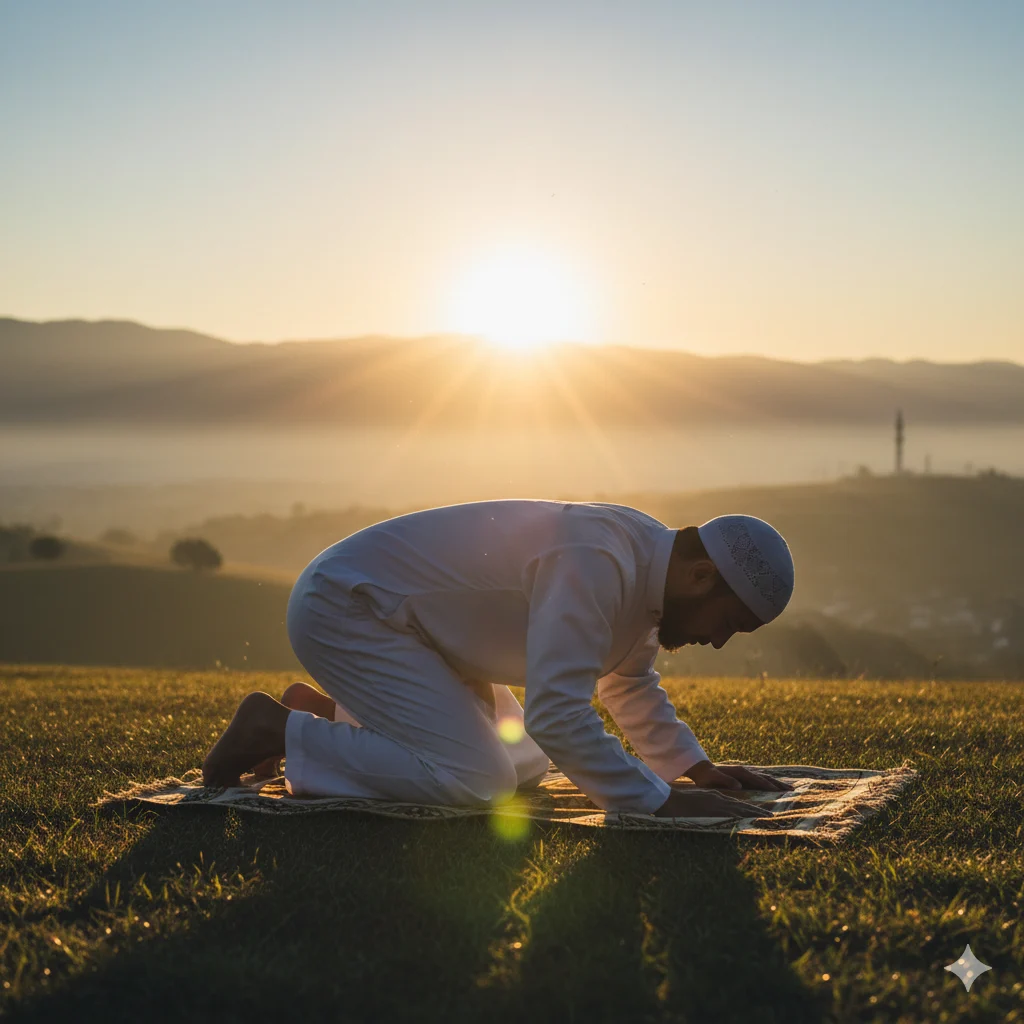
Sunnah Prayers in Islam for Inner Peace and Emotional Healing
- Calm for Anxious Hearts
During moments of anxiety, sunnah prayers slow the breath and steady the heart. Standing before Allah reminds us that no worry is bigger than His mercy. - Healing After Loss
Many turn to sunnah prayers in Islam after grief. These prayers don’t erase pain, but they wrap sorrow in divine comfort, offering strength to endure. - A Safe Space for Tears
Sunnah prayers allow vulnerability. In sujood, believers release emotions they hide from the world, trusting Allah with their brokenness. - Rest for the Overwhelmed Mind
After long, stressful days, sunnah prayers before sleep help release mental burdens, creating emotional balance and restful sleep. - Hope During Uncertainty
When life feels unclear, these prayers ground the heart in tawakkul—complete reliance on Allah’s wisdom and timing. - Emotional Renewal Through Worship
Like spiritual therapy, sunnah prayers cleanse emotional fatigue and restore optimism through remembrance.
Sunnah Prayers in Islam Connected to Obligatory Salah
- Completing What’s Missing
The Prophet ﷺ taught that sunnah prayers help compensate for shortcomings in obligatory salah, making them spiritually protective. - Before and After Obligatory Prayers
Praying sunnah around fard salah enhances focus and humility, preparing the heart before and sealing worship afterward. - Building a Rhythm of Worship
These prayers establish a daily rhythm, transforming routine salah into a deeply intentional spiritual practice. - A Sign of Love for Salah
Those who regularly pray sunnah show devotion beyond obligation, reflecting genuine love for worship. - Protection from Spiritual Loss
Sunnah prayers in Islam act as guards, preventing laziness or neglect from weakening obligatory worship. - Gradual Spiritual Growth
Over time, connecting sunnah with fard prayers nurtures discipline, patience, and consistency.
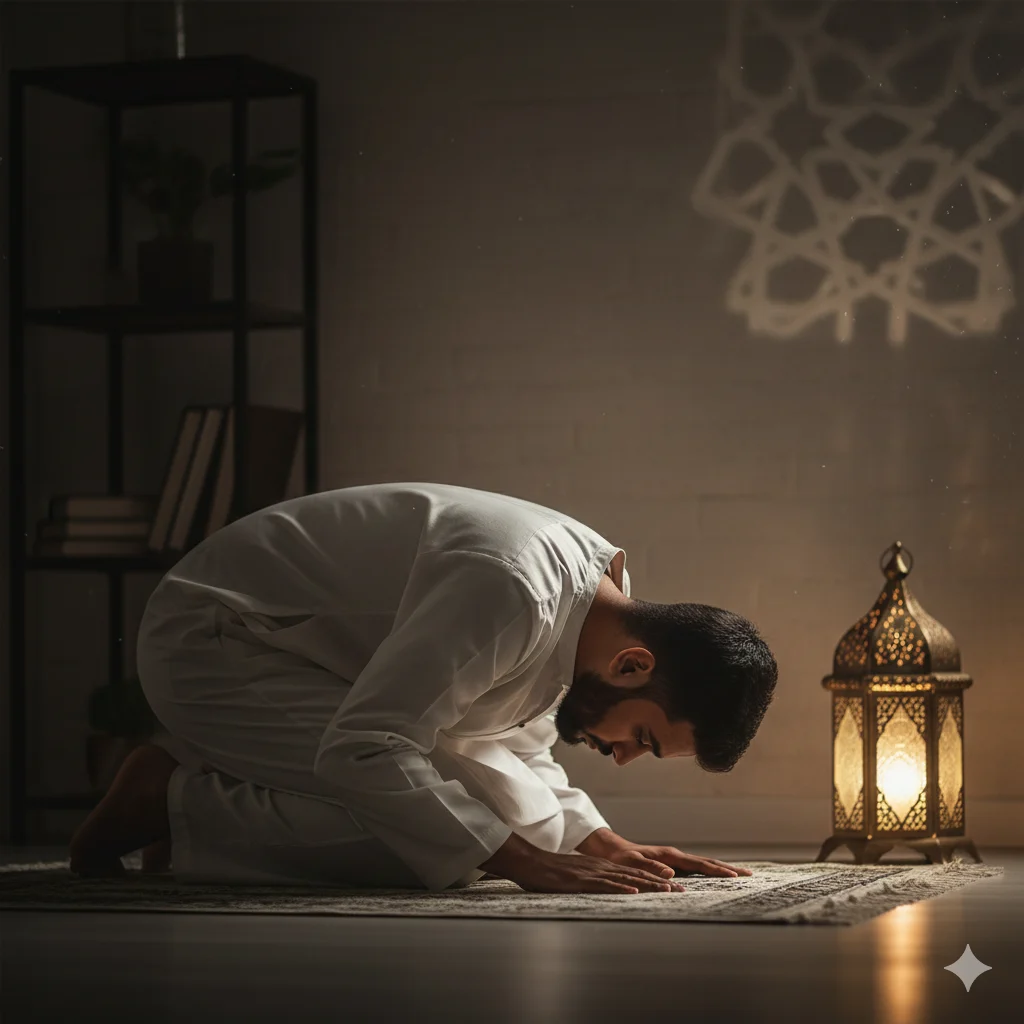
Sunnah Prayers in Islam During Times of Stress and Hardship
- Relief in Moments of Pressure
During stress, sunnah prayers create a pause, reminding believers that Allah is in control. - Turning Worry into Worship
Instead of drowning in anxiety, transforming worry into prayer invites divine solutions. - Strength When Patience Is Tested
Sunnah prayers strengthen sabr, especially when hardships feel overwhelming. - Finding Direction Through Du‘a
Many believers report clarity after praying sunnah and making heartfelt du‘a during sujood. - A Spiritual Refuge
In hardship, sunnah prayers in Islam become a refuge where the soul feels protected and heard. - Renewing Trust in Allah
Each rak‘ah reinforces trust that Allah’s plan is always better than our fears.
Sunnah Prayers in Islam as a Source of Barakah
- Barakah in Time
Those who pray sunnah often experience increased productivity and better time management. - Blessings in Livelihood
Many believers notice unexpected ease in finances and work after committing to sunnah prayers. - Peace in Relationships
Regular sunnah prayers soften character, improving patience and kindness with others. - Spiritual Light in Daily Life
These prayers illuminate everyday decisions with wisdom and calm. - Hidden Rewards from Allah
Sunnah prayers in Islam carry rewards known only to Allah, making them spiritually priceless. - Long-Term Spiritual Investment
Each prayer plants seeds of reward for both this life and the hereafter.

Sunnah Prayers in Islam for Building a Stronger Connection with Allah
- Private Moments with the Creator
Sunnah prayers create intimate moments of worship beyond public rituals. - Strengthening Dua Acceptance
Dua made after sunnah prayers often feels more sincere and focused. - Deepening Khushu‘
Over time, these prayers increase concentration and humility in all acts of worship. - Love-Based Worship
Unlike obligations, sunnah prayers are offered purely out of love for Allah. - Growing Spiritual Awareness
Sunnah prayers in Islam awaken mindfulness of Allah throughout the day. - A Lifelong Spiritual Companion
These prayers grow with you, supporting every stage of faith and life.
Conclusion
Incorporating sunnah prayers in Islam into daily life is a gentle yet powerful way to nurture faith, heal the heart, and strengthen your relationship with Allah. These prayers are not burdens—they are gifts filled with mercy, barakah, and spiritual intimacy. Whether prayed during calm moments or times of hardship, sunnah prayers provide emotional relief, inner peace, and divine closeness. By making them a daily habit, you follow the beloved practice of the Prophet ﷺ while investing in your spiritual well-being. Start small, stay consistent, and watch how these prayers transform your heart, mindset, and connection with Allah—one sincere rak‘ah at a time.
Call to Action
- Start your daily journey with sunnah prayers in Islam today and feel the difference.
- Share this guide to spread the beauty of sunnah prayers in Islam with others.
- Commit to one sunnah prayer daily and deepen your bond with Allah.
FAQs About Sunnah Prayers in Islam
What are sunnah prayers in Islam?
Sunnah prayers in Islam are voluntary prayers practiced by the Prophet Muhammad ﷺ. They are not obligatory but highly recommended for spiritual growth, increased rewards, and strengthening one’s connection with Allah.
Are sunnah prayers mandatory?
No, sunnah prayers are not mandatory. However, they carry great rewards and help complete deficiencies in obligatory prayers, making them spiritually valuable.
How many sunnah prayers should I pray daily?
You can start with two rak‘ahs before Fajr or around obligatory prayers. Consistency matters more than quantity in sunnah prayers.
Can sunnah prayers help with stress?
Yes, sunnah prayers in Islam provide emotional calm, reduce anxiety, and help believers rely on Allah during stressful times.
What is the best time to pray sunnah prayers?
They are commonly prayed before or after obligatory salah, during night prayers, or at moments of personal need.
Do sunnah prayers increase barakah?
Absolutely. Many believers experience increased peace, clarity, and blessings in daily life through regular sunnah prayers.

“Machin Smith writes faith-driven reflections for Praydrop, offering readers clarity, hope, and spiritual wisdom for a grounded, meaningful life.”