Proven vs Proved: The main difference is that “proved” is the past tense of “prove,” while “proven” is usually used as a past participle to show that something has been verified or confirmed.
Many people get confused when choosing between proven or proved because both words come from the same verb and have similar meanings. The correct choice depends on how the word is used in a sentence. Understanding this small difference can make your English sound more natural, accurate, and confident.
Use proved when you are talking about a completed action in the past, such as: “The experiment proved the idea was correct.” Use proven when you are describing a result or something that has already been established, such as: “The method has proven effective.”
Although both forms are correct, knowing when to use each one helps you avoid common grammar mistakes. Whether you are writing an essay, article, professional message, or everyday conversation, choosing the right word makes your sentences clearer and more polished.
In this guide, you will learn the exact difference between proven and proved, when to use each form, and simple examples that will help you remember the rule easily.
Proved or Proven meanings
Proved is the standard past tense and past participle of the verb “prove.” Proven is an alternative past participle, used especially as an adjective or in British English. Both are acceptable depending on the context.
Quick Examples:
- Proved: “The theory has proved to be correct.”
- Proven: “She is a proven leader.”
- Proved vs proven: “It has been proved wrong” or “It has been proven wrong” are both valid.
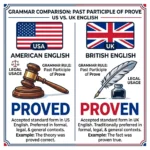
Is it proved or proven wrong? Both are correct. However, “proved wrong” is more common in American English, while “proven wrong” is frequent in British English.
Do you say has proved or has proven? “Has proved” is the traditional form in American English; “has proven” is more common in British English and legal writing.
Have you proven or proved? Both are acceptable. “Have proven” is more common in British English, while “have proved” is preferred in American English.
Is it proven or proved? This is the core question. The answer depends on whether you are using the word as a verb or an adjective and which region you are writing for.
Have been proven or proved? Both are correct. “Have been proven” is common in British and legal contexts; “have been proved” is standard in American English.
You have proven or proved? Both work. “You have proven” is acceptable everywhere; “you have proved” is more American.
We have proven or proved? Both forms are grammatically correct and widely used.
I have proven or proved? Similarly, both are correct.
It has been proven or proved? Both are valid. “It has been proven” is often used in scientific and legal writing; “it has been proved” is standard in American English.
Can be proven or proved? Both are correct. “Can be proven” is more common in British English; “can be proved” is preferred in American English.
Scientifically proven or proved? “Scientifically proven” is more common because “proven” is often used as an adjective in scientific contexts.
The Origin of Proved vs Proven
The spelling variations between “proved” and “proven” have historical roots. “Prove” comes from the Latin word probare, meaning “to test” or “to approve.” The past participle forms have evolved differently over time. “Proved” has been the regular past participle since Middle English. “Proven” emerged as a variant from Scottish English and gained popularity due to its use in legal contexts. The difference is similar to other irregular past participles like “dreamed” vs “dreamt” or “learned” vs “learnt.” Understanding this history helps clarify why both forms exist today.
Which is correct proved or proven? Both have historical validity, but their acceptance varies by region. The legal field played a significant role in popularizing “proven,” as phrases like “proven guilty” became standard in courtrooms.
Proven or proved meaning: Both words carry the same fundamental meaning—to establish something as true or factual. The difference lies not in meaning but in usage patterns and regional preferences.

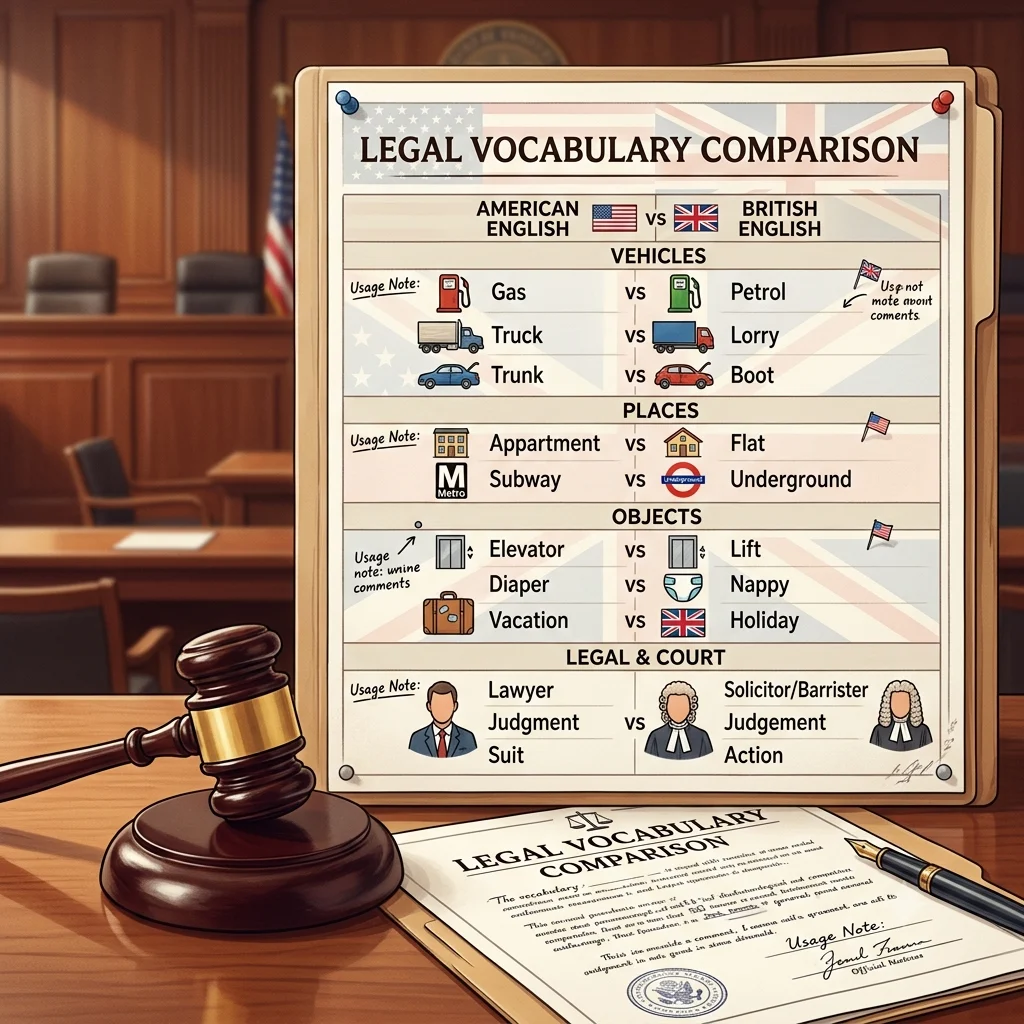
British English vs American English Spelling
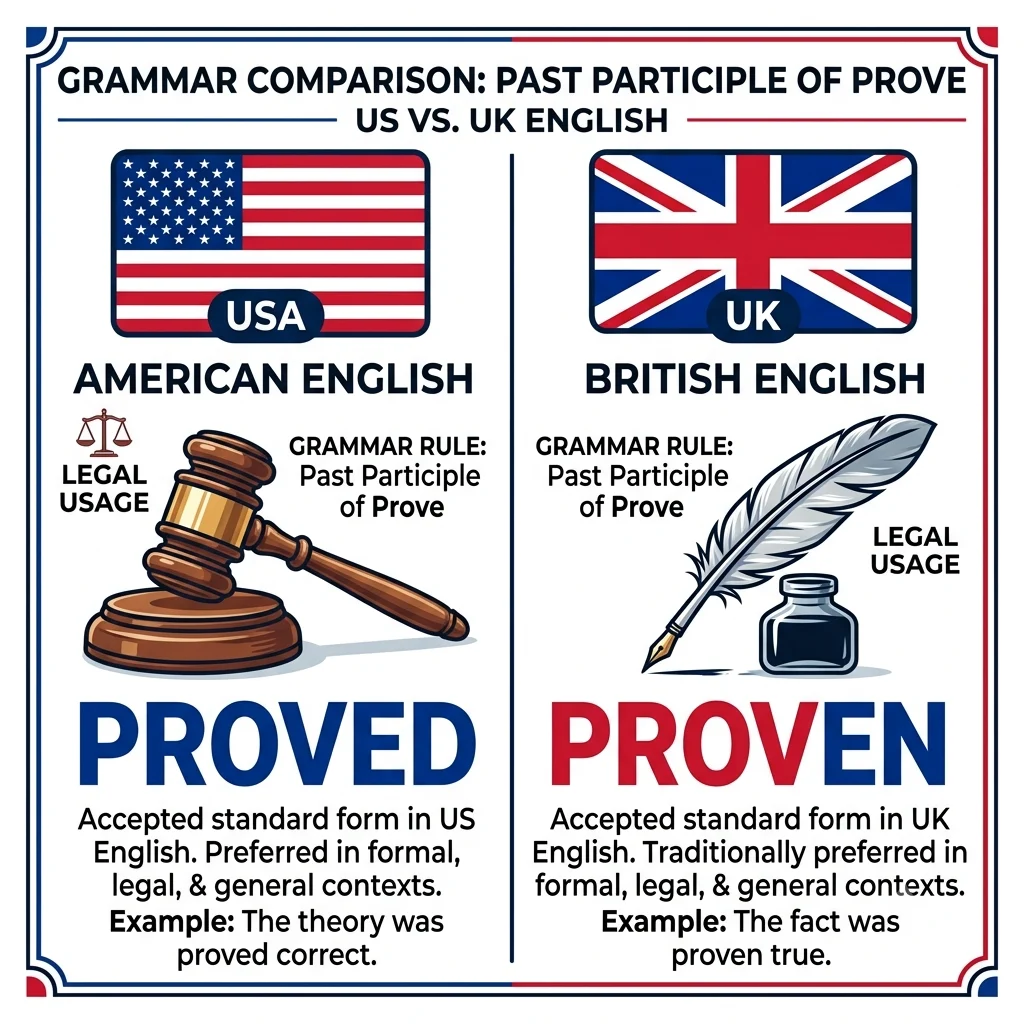
The primary difference between “proved” and “proven” lies in regional usage. In American English, “proved” is strongly preferred as the past participle, though “proven” is gaining acceptance as an adjective. In British English, “proven” is common in legal and scientific contexts.
| Feature | American English | British English |
|---|---|---|
| Past Tense | Proved | Proved |
| Past Participle | Proved (preferred) | Proved/Proven (both used) |
| Adjective Use | Proven (e.g., “proven method”) | Proven (e.g., “proven method”) |
| Legal/Scientific | Proven | Proven (often preferred) |
| Example | “The hypothesis has been proved.” | “The hypothesis has been proven.” |
Proven or proved grammar: The past tense is always “proved.” The past participle can be either. When used as an adjective, “proven” is almost always the correct choice.
Proven or proved past participle: Both forms are acceptable as past participles. “Proved” is the older, more traditional form, while “proven” has gained legitimacy through widespread use.
Which Spelling Should You Use?
Choose your spelling based on your audience and context.
- For American English: Use “proved” as the past participle (e.g., “The theory has proved correct”).
- For British/Commonwealth English: Use “proven” as the past participle, especially in legal or scientific writing (e.g., “The case has been proven“).
- For Global Audiences: “Proven” is often the safer choice because it is understood everywhere.
- For Adjectives: Always use “proven” (e.g., “a proven track record”).
Proven or proved meaning? Both words mean “established as true” or “demonstrated.” The choice depends on regional conventions and whether the word is used as a verb or adjective.
Proven or proved examples:
- Adjective: “This is a proven method.”
- Verb (American): “The results have proved consistent.”
- Verb (British): “The results have proven consistent.”
Have been proved or proven: Use “have been proved” for American audiences; use “have been proven” for British or legal audiences.
Common Mistakes with Proved and Proven
Common errors include using “proved” as an adjective, using “proven” in the past tense, inconsistency in usage, overcorrecting, and mixing styles.
Corrections:
- Mistake: “He proved it to me yesterday.” → Correct: This is correct; the past tense is always “proved.”
- Mistake: “She has proven it to me.” → Correct: This is also correct; “proven” is acceptable as a past participle.
- Mistake: “The data has been prove wrong.” → Correct: “The data has been proved/proven wrong.”
- Mistake: “It is a proved fact.” → Correct: “It is a proven fact.” (Use “proven” for adjectives.)
- Mistake: “The theory was proven in 2020.” → Correct: This is correct in British English but may be considered less formal in American English, where “proved” would be preferred.
Proved wrong or proven wrong: Both phrases are correct. “Proved wrong” is more common in the US; “proven wrong” is more common in the UK.
Which is correct proved or proven? Both are correct, but using “proved” as an adjective is a common mistake.
Proved and Proven in Everyday Examples
In Formal Writing:
“The efficacy of the drug has been proved through clinical trials.”
“His innocence was proven in court.”
“The results are scientifically proven.”
“The hypothesis has been proved correct by multiple experiments.”
In News:
“The suspect was proved guilty.”
“The theory was proven correct by the data.”
“The allegations have been proven false.”
“The new treatment has proved effective.”
In Social Media:
“I’ve proved my point.”
“A proven method for success.”
“Has this been proven or just speculated?”
“We have proven ourselves in the market.”
In Emails:
“The concept has proved effective.”
“We need a proven strategy.”
“The hypothesis has been proven false.”
“The results have proved our assumptions right.”
Have been proved or proven: “The results have been proved correct” (American) or “The results have been proven correct” (British).
Have proven or proved: “We have proven our commitment” (British) or “We have proved our commitment” (American).
Has proven or proved: “She has proven herself capable” (British) or “She has proved herself capable” (American).
Can be proven or proved: “This can be proven with evidence” (British) or “This can be proved with evidence” (American).
Scientifically proven or proved: “The treatment is scientifically proven” is the more common usage.

Proved vs Proven – Google Trends & Usage Data
Online usage trends show variations by country. In the United States, “proved” is more frequently searched for its grammatical context, while “proven” is searched more often for its use in legal and scientific contexts. In the United Kingdom, “proven” is generally more prevalent in all contexts. The adjective “proven” is overwhelmingly popular globally, as in “proven track record.” Overall, “proven” appears more frequently in modern English, especially online.
Which is correct proved or proven? In the US, “proved” as a verb is common; in the UK, “proven” is often preferred. Both are correct.
Have been proved or proven: Search data shows that “have been proven” is more frequently used globally, while “have been proved” maintains strong usage in American English.
It has been proven or proved: “It has been proven” is the more common phrase worldwide, particularly in scientific and journalistic writing.
Comparison Table: Proved vs Proven
| Form | Part of Speech | Usage Context | Example |
|---|---|---|---|
| Proved | Past tense | All dialects | “The idea proved successful.” |
| Proved | Past participle | American English | “This has been proved correct.” |
| Proven | Past participle | British English; Legal/Scientific | “The case has been proven.” |
| Proven | Adjective | All dialects | “A proven formula.” |
| Proved wrong | Phrase | American English | “He was proved wrong.” |
| Proven wrong | Phrase | British English | “He was proven wrong.” |
| Has proved | Verb phrase | American English | “She has proved her point.” |
| Has proven | Verb phrase | British English | “She has proven her point.” |
| Scientifically proven | Adjective phrase | All dialects | “Scientifically proven results.” |
| Can be proved | Verb phrase | American English | “This can be proved easily.” |
FAQs
Which is correct proved or proven?
Both are correct. “Proved” is the standard past tense and past participle, while “proven” is an alternative past participle and adjective.
What does “proved” mean?
“Proved” is the past tense and past participle of “prove,” meaning to demonstrate the truth or existence of something through evidence or argument.
Is it proved or proven wrong?
Both are correct. “Proved wrong” is common in American English, while “proven wrong” is common in British English and legal contexts.
Do you say has proved or has proven?
Both forms are used. “Has proved” is preferred in American English as a past participle. “Has proven” is common in British English and legal contexts.
Proven or proved meaning?
They are synonyms meaning “established as true,” but “proven” is often an adjective. Their meaning is identical; the difference is in usage.
Proven or proved grammar?
“Proved” is the regular past tense and past participle. “Proven” is an alternative past participle and is used as an adjective.
Proven or proved past participle?
Both are acceptable as past participles, though regional preferences exist (American: “proved”; British: “proven”).
Have been proved or proven?
Both are correct. “Have been proved” is American English; “have been proven” is British English and legal usage.
Is it proven or proved?
This depends on context. As a verb, both work; as an adjective, always use “proven.”
Have you proven or proved?
Both are acceptable. “Have you proven” is more British; “have you proved” is more American.
Proved wrong or proven wrong?
Both are correct. The choice depends on your regional audience.
Can be proven or proved?
Both are grammatically correct. Use “can be proven” for British audiences; use “can be proved” for American audiences.
We have proven or proved?
Both forms are correct. “We have proven” is more common in the UK; “we have proved” is more common in the US.
I have proven or proved?
Both are acceptable. Choose based on your audience and context.
Scientifically proven or proved?
“Scientifically proven” is the preferred and more common usage, as “proven” is often used as an adjective in scientific contexts.
It has been proven or proved?
Both are correct. “It has been proven” is more common globally, especially in legal and scientific writing.
Conclusion
Mastering the usage of “proved” and “proven” comes down to understanding context and regional preferences. As a verb, remember that the past tense is always “proved.” The past participle is flexible but follows regional patterns: “proved” in American English and “proven” in British English. As an adjective, “proven” is the standard choice across all dialects. By applying these guidelines, you can write with clarity and grammatical precision. Whether you are drafting a scientific paper, a legal brief, or a simple email, choosing the right form will enhance your professionalism and ensure your message is understood clearly. This guide has provided the necessary tools to navigate this common grammar question, so you can communicate with authority and confidence. Remember that consistency is key—stick to one style throughout your document to maintain professionalism.

“Shena Mackay offers gentle, faith-centered reflections on Praydrop, inspiring readers with hopeful guidance, spiritual clarity, and heartfelt wisdom.”