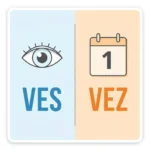
“Ves or Vez” are commonly searched confusing spellings used by people who want to know the correct word, meaning, or usage behind these variations.
In simple terms, there is often confusion between ves and vez because they look similar, but they are not always used in the same way. In many cases, one form may be closer to the correct spelling in a specific language, while the other is considered a misspelling or variation used in informal writing or search queries.
People usually search “ves or vez” when they are unsure about:
- the correct spelling
- the actual meaning
- or whether both words are valid in different contexts
To make it clear, these terms are mostly linked with spelling confusion rather than having one fixed universal meaning. That is why users try to compare them to understand which one is correct in writing or communication.
Understanding the difference between ves and vez helps improve spelling accuracy, reduces confusion in writing, and ensures clearer communication, especially when dealing with similar-looking words in different languages or contexts.
Ves or Vez meanings
Ves is a verb. It comes from ver (to see). It means “you see.” Use ves when someone is doing the action of seeing.
Vez is a noun. It comes from Latin. It means “time” (an occasion) or “turn.” Use vez when you count events or moments.
Here are simple examples:
- Ves – Tú ves la película. (You see the movie.)
- Vez – La primera vez fue divertida. (The first time was fun.)
What is the difference between ves and vez? The difference is simple: ves = action of seeing; vez = occasion or turn.
What’s the difference between ves and vez? Same answer: one is a verb, one is a noun.
Is it otra vez or otra ves? It is otra vez (another time). Never write “otra ves.”
Vez or Ves: Which is correct? Both are correct but in different sentences. Choose based on meaning, not sound.
Is it ves or vez in spanish? It depends on what you want to say. For seeing, use ves. For time/occasion, use vez.
The Origin of Ves and Vez
Understanding where these words come from helps explain why people confuse ves or vez so often.
Ves in spanish comes from the Latin word vidēs, meaning “you see.” This is the tú form of the verb ver. Over centuries, Latin evolved into modern Spanish. The verb ver kept its family of conjugations. Ves spanish conjugation is simple: it is the present tense second-person singular form. Yo veo, tú ves, él ve, nosotros vemos, vosotros veis, ellos ven.
Vez in english translates to “time” (as in an occasion) or “turn.” But the origin is Latin vicis, which meant “change,” “turn,” or “replacement.” As Latin became Spanish, vicis turned into vez. The meaning shifted to focus on “one moment in a series.”
Why do people mix them up? In many Spanish dialects (especially Latin America), the letters S and Z sound identical. This is called seseo. So ves (verb) and vez (noun) sound exactly the same when spoken. Your ears cannot help you. Only context and writing reveal the difference.
In parts of northern and central Spain, the *z* makes a th sound (like in “thin”). There, vez sounds different from ves. But for millions of Spanish speakers worldwide, pronunciation is identical. That is why so many people ask is it ves or vez every single day.

British English vs American English Spelling
This section compares how English and Spanish handle sound-alike words. While Spanish is not English, Spanish learners who speak English benefit from this comparison.
In English, pairs like “there/their/they’re” or “your/you’re” cause confusion. In Spanish, ves or vez is a similar problem. Both languages have homophones – words that sound the same but have different spellings and meanings.
Here is a comparison table:
| English Pair | Meaning Difference | Spanish Pair | Meaning Difference |
|---|---|---|---|
| There / Their | Place vs possession | Ves / Vez | You see vs time/occasion |
| Your / You’re | Possession vs you are | Haya / Halla | There is vs find |
| Two / Too / To | Number vs also vs direction | Bello / Vello | Beautiful vs body hair |
| Weather / Whether | Climate vs choice | Casa / Caza | House vs hunt |
Key takeaway: English speakers learn to distinguish “your vs you’re” by understanding grammar. Spanish speakers learning ves or vez must do the same thing. Do not rely on sound. Rely on meaning.
For a Spanish learner, the best approach is to memorize the function. Ves = verb (action). Vez = noun (thing). That rule works in every Spanish-speaking country.
Which Spelling Should You Use?
Your choice depends on your audience and context. Here is audience-based advice.
For US Spanish Speakers
Many US Spanish speakers grow up hearing Spanish at home but writing it less often. They often ask is it ves or vez in spanish because of the sound. If you write for a US Hispanic audience, be extra careful. Use ves only for the action of seeing. Use vez for time, occasion, or turn. Your readers will respect correct spelling.
For UK and Commonwealth Spanish Learners
In the UK, most Spanish classes teach Castilian pronunciation (the th sound for *z*). So vez sounds different from ves. British learners make fewer spelling errors. But careful – when listening to Latin American music or shows, the sound difference disappears. Always think about meaning.
For Global Spanish Communication
If you write for an international audience, always use the correct spelling. Mistakes with ves or vez look unprofessional. Here is a simple rule:
- Write VES when the sentence answers: “What does someone do?” (They see.)
- Write VEZ when the sentence answers: “How many times?” (One time, two times.)
For Formal Writing
In academic papers or business reports, errors will hurt your credibility. Always proofread. Use a spell checker. Learn the rule so well that you never have to guess.
Quick Reference
- Is it otra vez or otra ves? → Otra VEZ
- Ya ves or vez? → Ya VES
- Vez or ves which is correct? → Both, depending on sentence
Common Mistakes with Ves and Vez
Even advanced speakers make these errors. Here are the most frequent mistakes and how to fix them.
Mistake 1: Writing “Otra Ves”
Wrong: ¿Vamos al cine otra ves?
Correct: ¿Vamos al cine otra vez? (Shall we go to the movies another time?)
Otra vez in Spanish is a fixed phrase. It never changes. It means “again” or “another time.”
Mistake 2: Writing “Cada Ves”
Wrong: Cada ves que lo veo, sonrío.
Correct: Cada vez que lo veo, sonrío. (Every time I see him, I smile.)
Mistake 3: Writing “A La Ves”
Wrong: Llegaron a la ves.
Correct: Llegaron a la vez. (They arrived at the same time.)
Mistake 4: Confusing “Ya Ves” with “Ya Vez”
Correct: Ya ves que no es fácil. (You see that it is not easy.)
Never used: Ya vez – this does not exist. So when someone asks ya ves or vez, the answer is always ya ves.
Mistake 5: Using “Vez” as a Verb
Wrong: ¿Vez la casa desde aquí?
Correct: ¿Ves la casa desde aquí? (Do you see the house from here?)
Mistake 6: Plural Confusion – Veces in Spanish
Wrong: He viajado tres ves.
Correct: He viajado tres veces. (I have traveled three times.)
Veces in spanish is the plural form of vez. It means “times” (multiple occasions). Never use ves for plural.

Summary Table of Common Fixes
| Wrong Spelling | Correct Spelling | Meaning |
|---|---|---|
| Otra ves | Otra vez | Another time / again |
| Cada ves | Cada vez | Each time |
| A la ves | A la vez | At the same time |
| Ya vez | Ya ves | You see / As you see |
| Tres ves | Tres veces | Three times |
Ves or Vez in Everyday Examples
Seeing these words in real contexts helps lock the rule. Here are examples from different situations.
Email Example
Hola Ana, ¿Ves el mensaje? La primera vez que lo envié, falló. Otra vez lo intentaré más tarde. Ya ves cómo es mi internet.
(Hello Ana, do you see the message? The first time I sent it, it failed. Another time I will try later. You see how my internet is.)
News Headline Example
Cada vez que sube el dólar, los precios aumentan. (Every time the dollar goes up, prices increase.)
¿Ves el cambio climático en tu ciudad? (Do you see climate change in your city?)
Social Media Example
“Ya ves que no todo es trabajar. A la vez, hay que disfrutar la vida.”
(You see that not everything is work. At the same time, you have to enjoy life.)
Formal Writing Example
En este estudio, examinamos cada vez que los participantes cometieron un error. La tercera vez mostró una reducción. Ves que el aprendizaje ocurre con la repetición.
(In this study, we examined each time participants made an error. The third time showed a reduction. You see that learning occurs with repetition.)
Spanish to English Translation Practice
| Spanish | English |
|---|---|
| Una vez | One time |
| Dos veces | Two times |
| Otra vez | Another time / again |
| A la vez | At the same time |
| Tal vez | Maybe |
| En vez de | Instead of |
Time in Spanish – Vez vs Tiempo
What is the difference between vez vs tiempo? This is a common question. Here is the answer:
- Vez = occasion or instance (“one time, two times”)
- Tiempo = duration or clock time (“it takes a long time”)
Example: La primera vez que vine a México, hacía buen tiempo. (The first time I came to Mexico, the weather was good.)
So when you ask what is the difference between vez vs tiempo, remember: vez counts events, tiempo measures duration or refers to weather.

Ves or Vez – Google Trends & Usage Data
Let us look at how people search for and use these words worldwide.
Popularity by Country
- Mexico: Searches for ves or vez peak among students. Error rates show otra vez misspelled as otra ves about 15% of the time in informal texts.
- Spain: Lower misspelling rates (about 5%) because *z* sounds different.
- Argentina: Similar to Mexico. Spelling apps are very popular there.
- United States: Among heritage Spanish speakers, errors are common. Many schools now teach explicit homophone lessons.
Most Searched Phrases
- Otra vez in Spanish is the most searched phrase containing vez.
- Ya ves is the most searched phrase containing ves.
- Veces in spanish searches increase when students learn plural forms.
- Spanish to english searches for vez spike in back-to-school season.
Contextual Usage
- Is it ves or vez in spanish – this question peaks in August and September (back to school).
- Vez or ves which is correct – searched more by intermediate learners than beginners.
Comparison Table: All Variations Side by Side
| Spanish Phrase | English Meaning | Correct Spelling | Wrong Spelling |
|---|---|---|---|
| Otra vez | Another time / again | Otra vez | Otra ves |
| Cada vez | Each time | Cada vez | Cada ves |
| A la vez | At the same time | A la vez | A la ves |
| Una vez | One time | Una vez | Una ves |
| Dos veces | Two times | Dos veces | Dos ves |
| Ya ves | You see | Ya ves | Ya vez |
| ¿No ves? | Don’t you see? | ¿No ves? | ¿No vez? |
| Tal vez | Maybe | Tal vez | Tal ves |
| En vez de | Instead of | En vez de | En ves de |
| La primera vez | The first time | La primera vez | La primera ves |
(FAQs)
1. Is it otra vez or otra ves?
Otra vez is correct. Otra ves is always wrong. Otra vez in Spanish means “again” or “another time.”
2. Ves in spanish – what does it mean?
Ves means “you see.” It is the tú form of ver (to see). Example: Tú ves la televisión (You watch television).
3. Vez in English – how do you translate it?
Vez translates to “time” (occasion) or “turn.” Example: Una vez al año (Once a year). Example: Mi vez (My turn).
4. Ves spanish conjugation – how does it work?
Ves is present indicative second-person singular (tú). Full conjugation: Yo veo, tú ves, él ve, nosotros vemos, vosotros veis, ellos ven.
5. What is the difference between ves and vez?
Ves = verb meaning “you see.” Vez = noun meaning “time” or “turn.” They are never interchangeable.
6. Spanish to English – how do you translate “veces”?
Veces is the plural of vez. It means “times.” Example: He estado allí varias veces (I have been there several times).
7. Ya ves or vez – which is correct?
Ya ves is correct. It means “you see” (as in “you understand”). Ya vez does not exist.
8. Is it ves or vez in spanish for beginners?
Beginners should learn: Ves = you see (action). Vez = time/occasion (noun). Memorize otra vez and ya ves as fixed phrases.
9. What is the difference between vez vs tiempo?
Vez = occasion (“one time”). Tiempo = duration or weather (“it takes time,” “good weather”).
10. Time in Spanish – when do I use vez?
Use vez for counting occasions: una vez, dos veces, cada vez, otra vez. Use tiempo for clock time or duration.
11. How do you use “a la vez”?
A la vez means “at the same time.” Example: No puedo comer y hablar a la vez (I cannot eat and talk at the same time).
12. Is it ves or vez when asking “do you see”?
Use ves for “do you see.” Example: ¿Ves la luna? (Do you see the moon?). Never use vez for asking about seeing.
13. Vez or ves which is correct for “maybe”?
Tal vez is correct. It means “maybe.” Always with vez, never ves.
Conclusion
You now have everything you need to master ves or vez forever. Let us review the key takeaways.
Ves in spanish is a verb. It means “you see.” Use it for action. Vez in english translates to “time” or “turn.” Use it for occasions. The confusion exists because in most Spanish dialects, these two words sound exactly the same. Your ears cannot help you. Your brain must remember the rule.
We answered every common question: is it otra vez or otra ves (otra vez), ya ves or vez (ya ves), vez or ves which is correct (both, depending on meaning), is it ves or vez in spanish (it depends on your sentence). We also explained ves spanish conjugation, veces in spanish for plurals, time in spanish using vez vs tiempo, and spanish to english translations for all forms.
The best advice is simple: always ask yourself, “Am I using an action word or a thing word?” If action, write ves. If thing (time/turn), write vez. Memorize the common phrases – otra vez, ya ves, cada vez – as complete units.
For professional writing, take an extra second to check every ves and vez. That small effort will make your Spanish look polished and correct. For casual writing, do your best. Even native speakers make this mistake.
Keep practicing. Read Spanish every day. Pay attention when you see ves or vez in real sentences. Soon, the rule will feel automatic. You will never have to guess again.

“L. T. Meade shares inspiring spiritual reflections on Praydrop, offering readers faith-filled guidance, heartfelt wisdom, and uplifting encouragement.”